Throughout my practice of field recording, I have become fascinated with capturing truly undisturbed soundscapes, whether in the city or deep in the wild.
The act of recording inherently requires technological interaction: between the recordist and the gear, and between the gear and the environment. While recording would not exist without our tools, I am philosophically drawn to a reality where the technology is erased from the equation. I want the environment to interact only with the intention and emotion of the recordist.
For years, I have relied heavily on “stealth techniques.” Using small, inconspicuous microphones allows me to capture authentic, unfiltered soundscapes as if no machines were involved. By not drawing attention to the process, the behavior of people and wildlife remains natural, preventing the recording from feeling truncated or disturbed.
But I wanted to go a step further: What if we completely remove the recordist from the equation?
The Rise of the “Drop Rig”
Many colleagues practice “drop rig” recording, placing small recorders in the environment and leaving them unattended for hours or days. In the visual world, this is known as a “camera trap” and is widely used in research. In the audio world, the concept has gained serious traction over the last decade. Today, biologists use acoustic drop rigs to monitor ecosystems and study population dynamics.
As a field recordist creating sound libraries for sound design and immersive listening, my focus is primarily on the aesthetic and emotional qualities of sound rather than purely scientific data.
The advantages of unattended recording are significant, particularly in environments where human presence alters behavior. In sensitive areas, wildlife naturally avoids humans. If you want to capture authentic, unfiltered soundscapes, it is often better to hide your gear, walk away, and allow the ecosystem to return to its baseline state.
The Evolution of My Setup
My first attempts at building a drop rig were not fully optimized, but they were valuable learning experiences.
Back in 2019, a talented doll-maker friend who works with woven fabrics proposed creating a custom structure to house my recorder and microphones. It was essentially a hanging mini-tent, with a top hook and a rounded rod structure at the bottom, acting as a protective hammock for the gear.
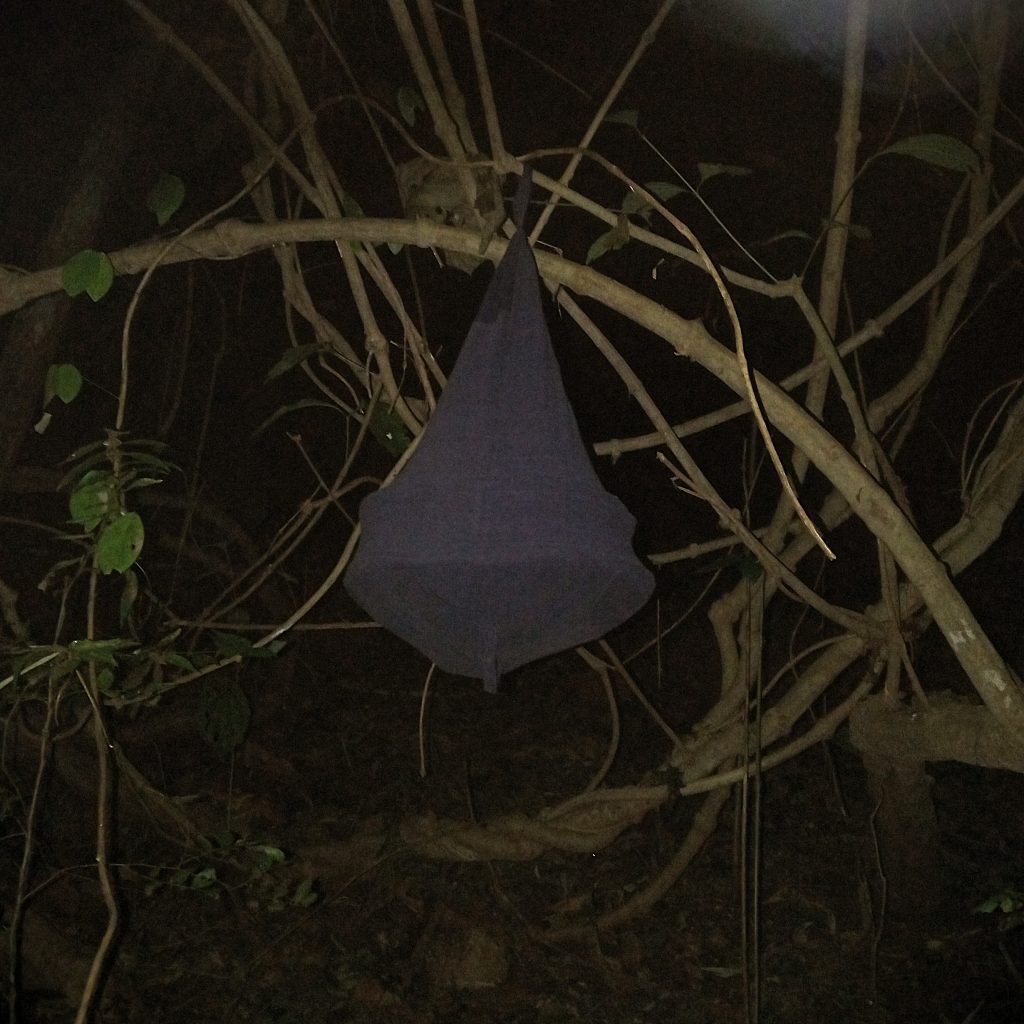
From there, I experimented with different form factors. The main challenge is protecting the recorder and batteries from rain and high humidity. I transitioned to waterproof bags, using trees as anchor points and relying on natural leaves to both conceal the rig and shield it from rain. I also extended the microphones away from the main body of the rig to improve stereo imaging and spatial depth.
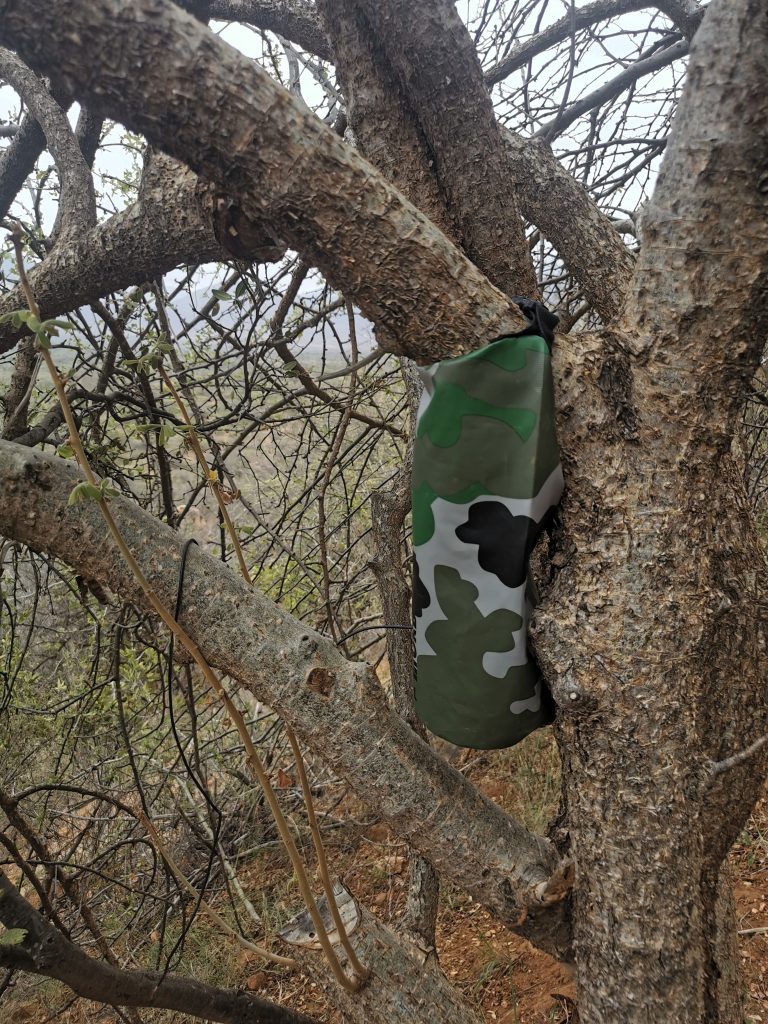
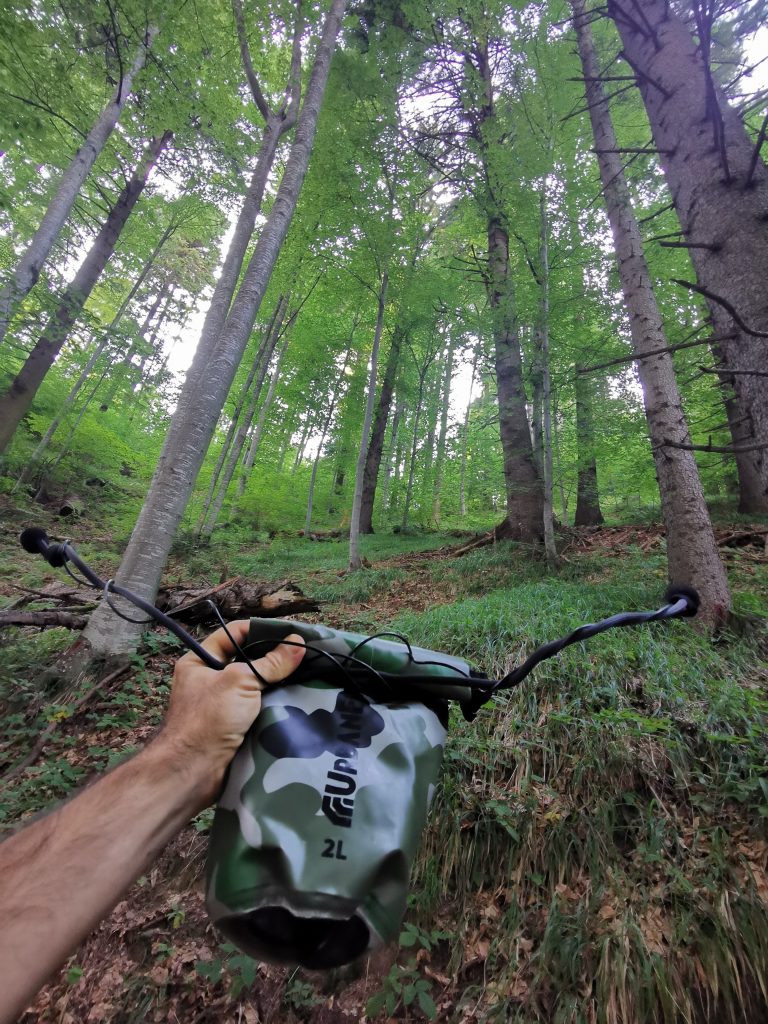
However, one major issue with unattended rigs is unpredictability. Many animals and insects are highly curious about foreign objects in their territory, and I have had gear destroyed more than once. For example, a microphone was chewed by baboons in Kenya, and in Malaysia, an entire rig was destroyed by an elephant. I discuss that experience in another post.
Building the “Invisible Rig”
Recently, I decided to push the concept further. I wanted the rig to completely disappear into the environment to capture the most undisturbed soundscapes possible.
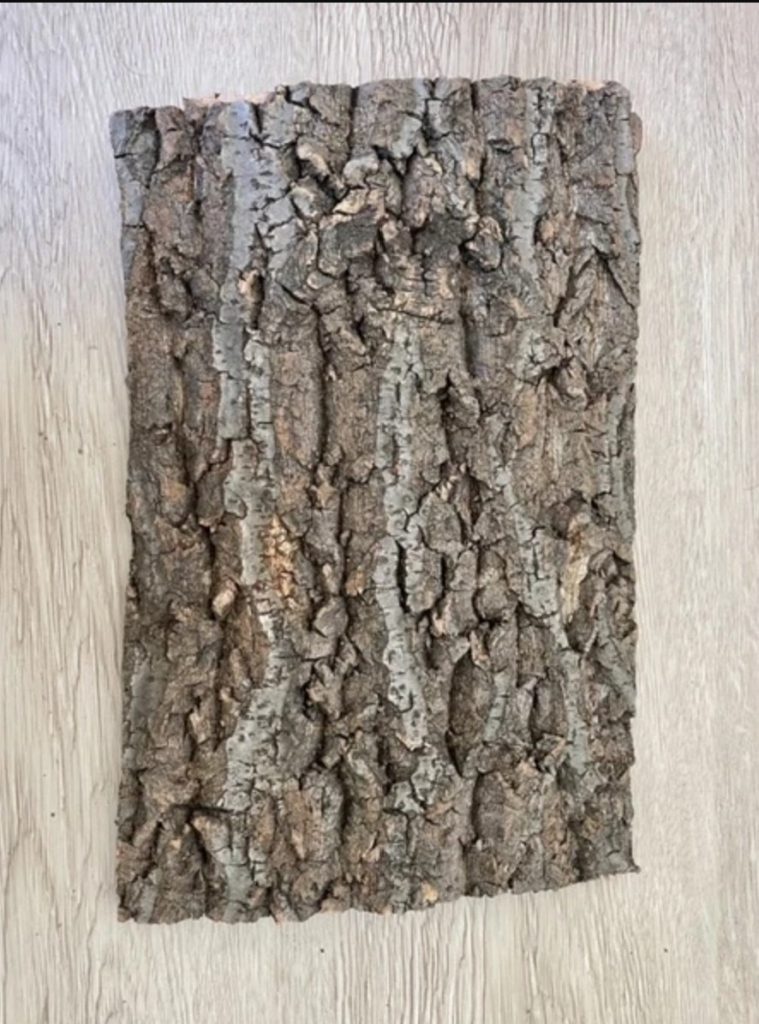
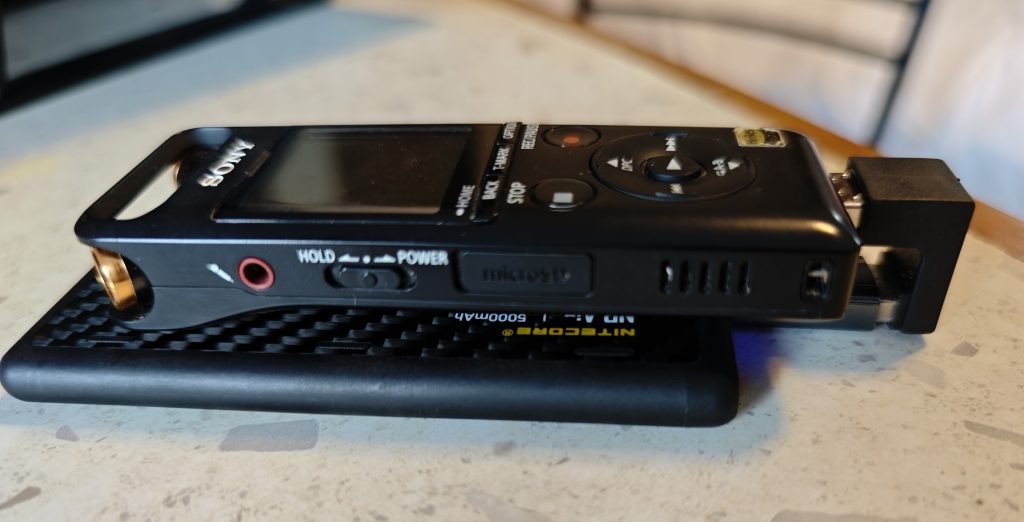
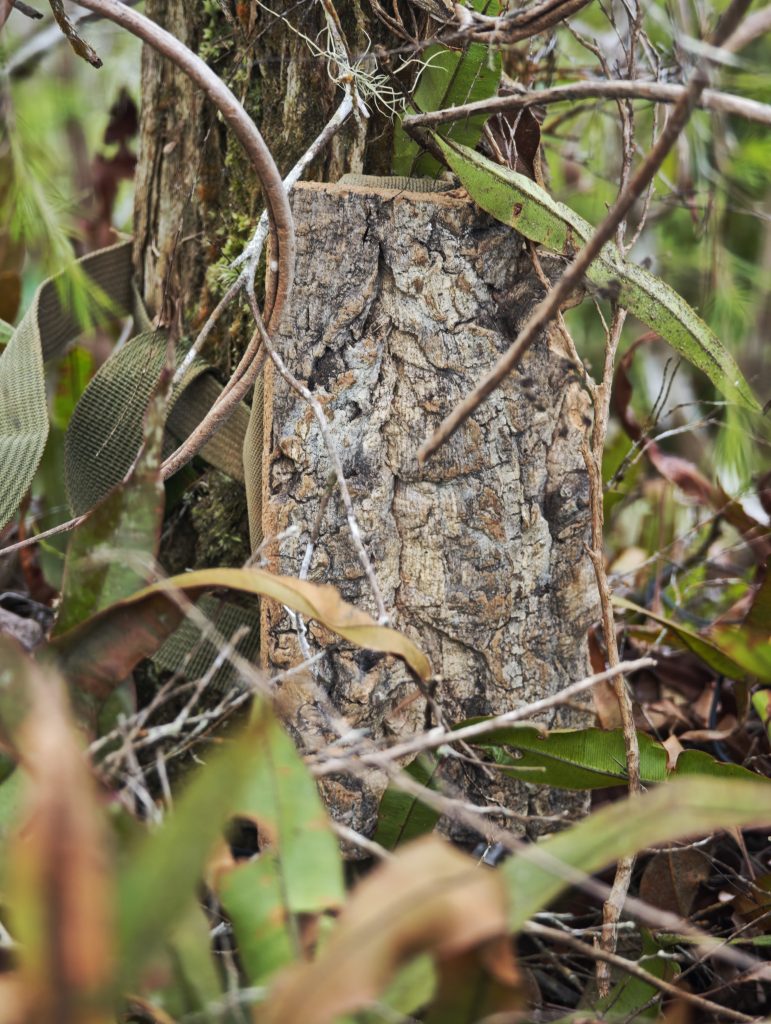
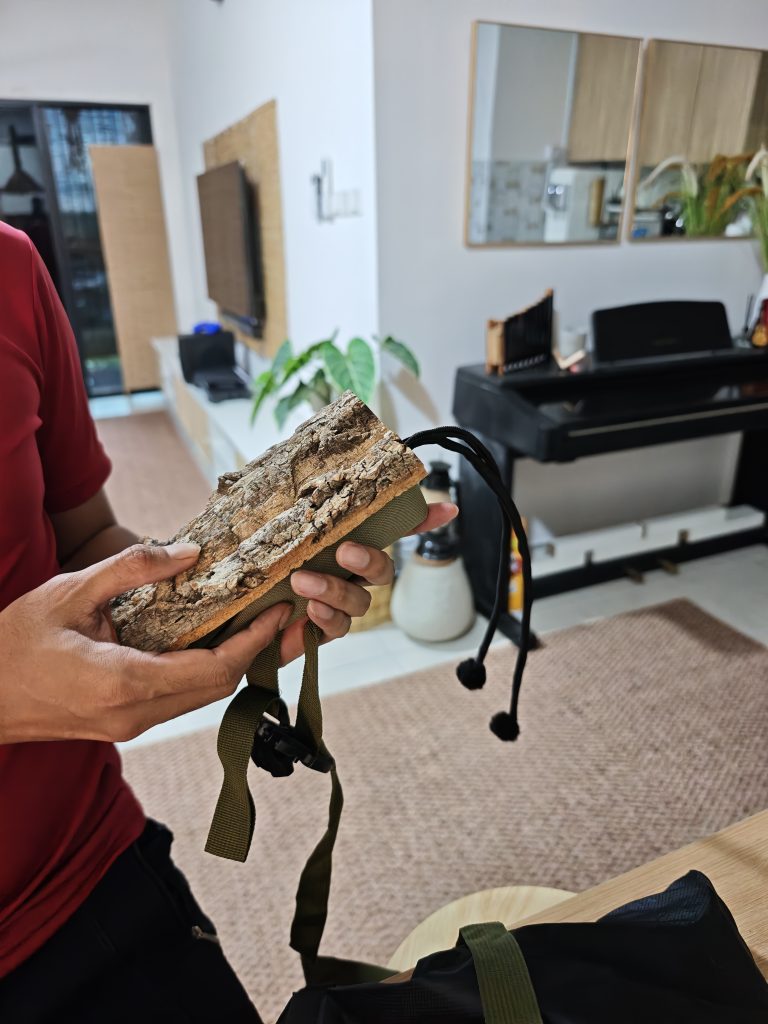
To build this “invisible rig,” I began using natural bark to camouflage the main recording unit. I attached a pouch to the back of the bark to hold the gear. Using compact devices such as the Sony A10 is essential, as they are easier to conceal. I use a soft, water-resistant pouch so it conforms to the shape of the tree trunk. To further protect against moisture, I add a double inner layer of waterproof plastic.
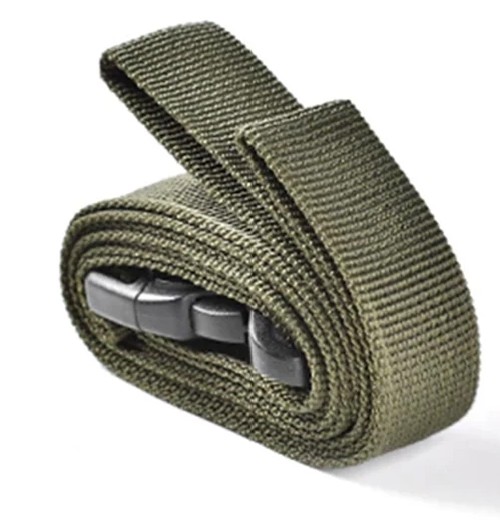
For mounting, I use khaki or brown straps, which I sometimes paint to better match the environment. These remain one of the hardest elements to fully conceal, but covering them with local vegetation helps significantly.
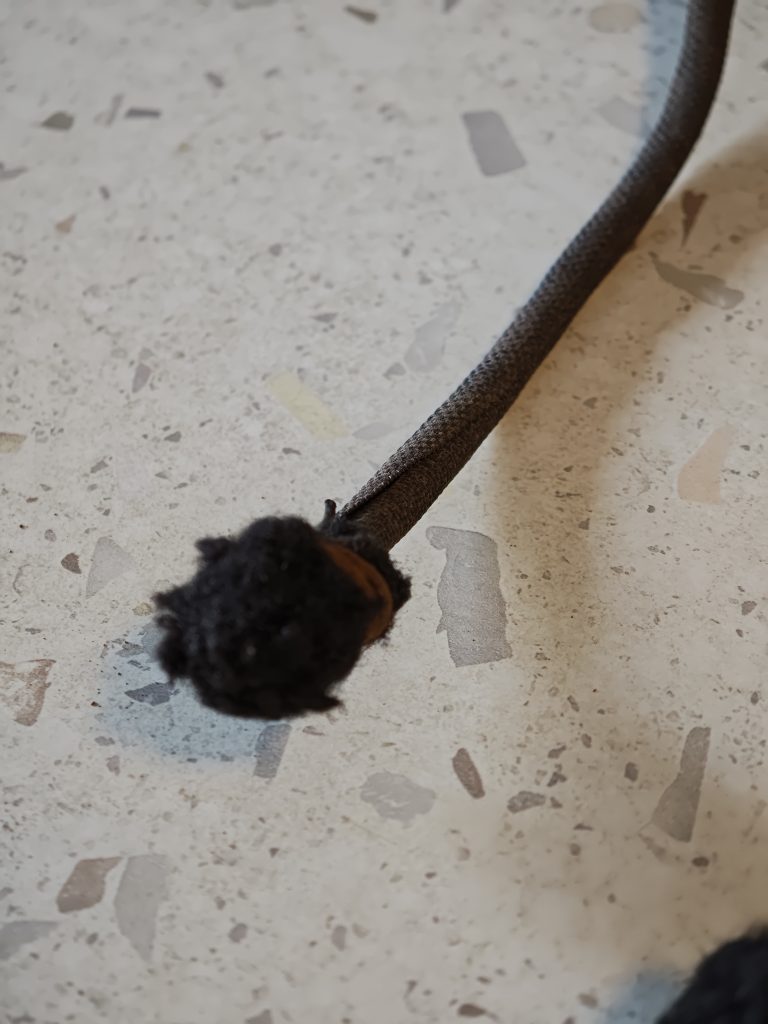
Because the microphones still need to be positioned away from the rig to capture a wide stereo image, I use braided cable sleeves and paint them brown to blend with branches. For wind protection, I use small fur windshields. This is generally sufficient in rainforest conditions, although stronger wind environments may require a different solution. Finally, I use local leaves and twigs to hide any remaining visible elements.
Field Results
I tested this approach earlier this year during expeditions to Sumatra in January and Pakistan in March. By minimizing the visual footprint of the gear, the surrounding ecosystem is far more likely to ignore it. This reduces unnatural interactions and allows for more authentic recordings.
It also reduces the risk of gear destruction, which can pose dangers to wildlife if batteries are damaged and leak. For me, making the rig as inconspicuous as possible is not only about sound quality, but also about minimizing environmental impact.
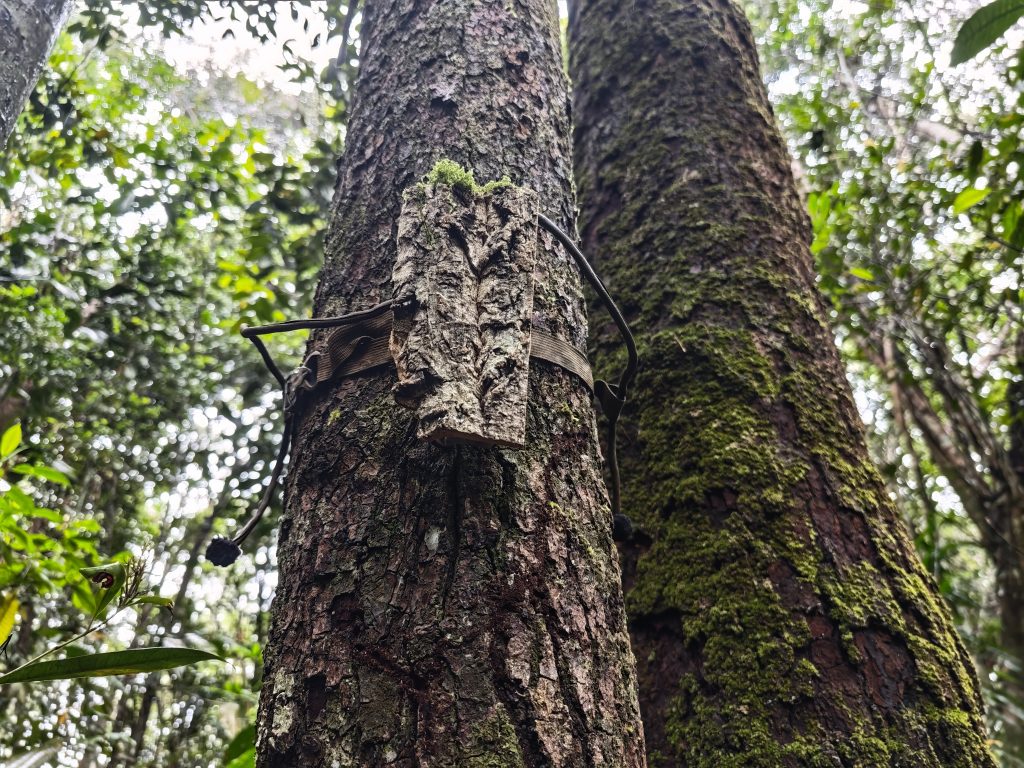
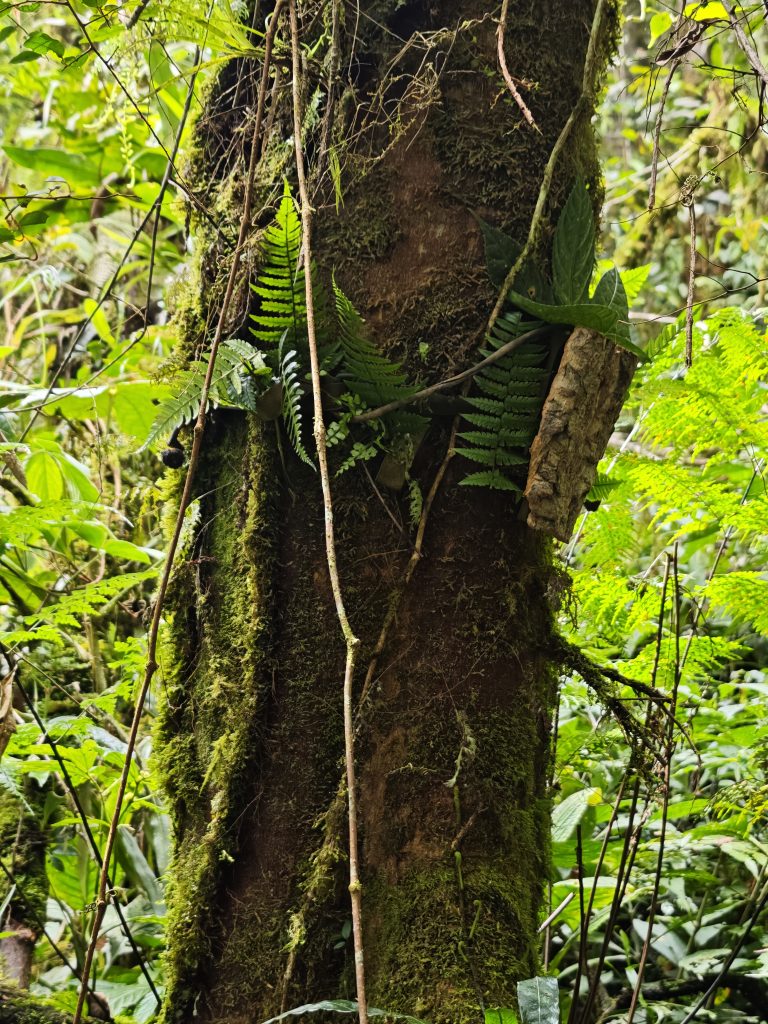
Here is one example: a 40-minute deep listening recording of the Sumatran Agile Gibbon in the Kerinci Barat area. The intimacy of this recording may not have been possible with visible equipment, or the vocal behavior might have been altered.
While it is difficult to measure this scientifically, a controlled comparison between visible and invisible rigs would be valuable, though challenging to implement. This could be an interesting direction for future exploration.
In this particular recording, humidity was extremely high, and the microphone windshields became damp, affecting the frequency response. I usually try to position the microphones slightly away from the tree trunk to reduce condensation buildup, but in this case they may have been placed too close.
Despite this, the recording captures fascinating vocal behavior. The melodic structure of the gibbon calls, and the distant responses from other individuals, create a rich and immersive soundscape.
Here is another recording from the same trip, a dynamic nighttime environment at Danau Belibis, with frogs and bats overhead. The proximity of the bats creates a highly immersive spatial experience. Best listened to with headphones.
What kind of audio gear?
While I occasionally use high-end equipment such as the Sennheiser MKH 8090, my general recommendation for drop rigs is to avoid expensive gear. Rigs can be lost, damaged, or destroyed. For invisible rigs specifically, compactness is critical.
A modest recording setup can still deliver excellent results. Small recorders like the Sony A10 or Zoom H1 are strong starting points. Adding external microphones is important for achieving a lower noise floor and better detail.
Many effective options are based on the EM272, or the older EM254, capsule. Some excellent builders include:
- Clippy EM272 by FEL Communications Ltd. (UK)
- Earsight Standard v1 or v2 by Immersive Soundscape (France)
- So.1 Omni by Sonorous Objects (USA)
- Usi by LOM (Slovakia)
- O-Mini PIP by Chris Treviño
- Verdi by Oaka Instruments (UK)
A high-capacity SD card is essential for long recordings, and an external power bank is mandatory. I personally use the Nitecore NB Air, which offers a good balance between size, efficiency, and charging speed.
The Future of the Invisible Rig
The next step in this exploration is developing an infinite-run system powered by small solar panels, capable of live-streaming high-quality audio in real time.
My long-term goal is to collaborate with scientists and environmental organizations to monitor ecosystems and contribute to their preservation.
For now, I will continue recording as much as possible, focusing on rare environments, flora, and fauna under threat, and bringing those soundscapes back to share with you.